Biden’s Nearly Impossible Task in Turkey

This article was first published in Politico on August 24, 2016.


Mistrust is at a new height following the July 15 coup attempt, and the veep had to do more than just say nice things.


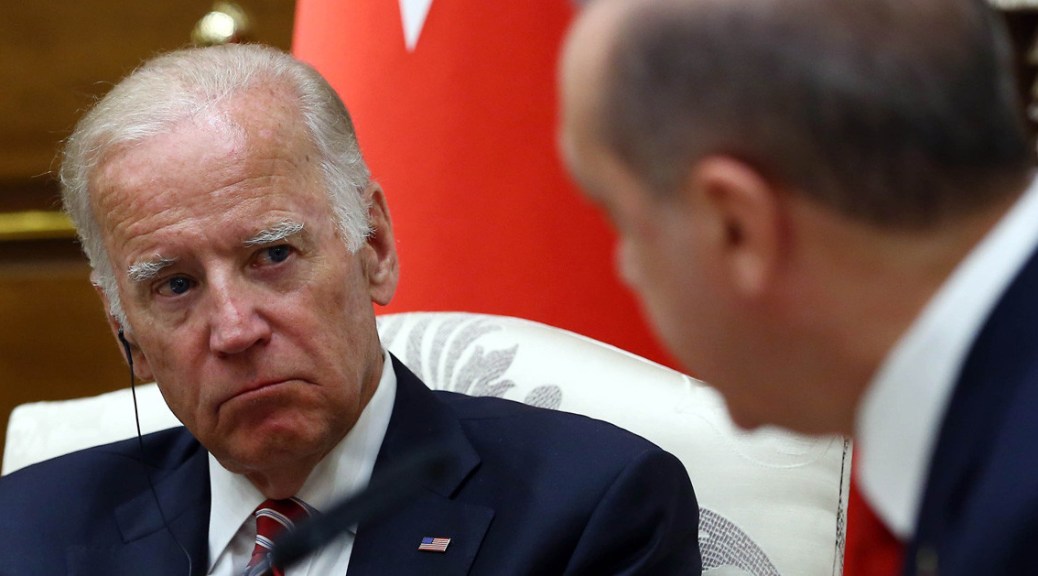
Vice President Joe Biden was never going to have it easy on his visit to Turkey on Wednesday. Since the July 15 coup attempt, U.S.-Turkey relations have grown worse day by day, and Biden needed to deliver something dramatic and concrete. Above all, Ankara does not believe that Washington is seriously considering the Turkish government’s formal request this week for the extradition of suspected coup plotter Fethullah Gulen. To date, the Obama administration has appeared meek on this critical issue, pointing to the legal process while denying any prior knowledge of or culpability in the coup attempt. It also ppeared to be narrowly self-interested only in the fate of America’s Incirlik Air Base, rather than the welfare and stability of its NATO ally. Mutual mistrust is at a new and dangerous high.

Even prior to the failed coup attempt, U.S.-Turkey relations had been strained as a result of U.S. support for the YPG, the Syrian branch of the Kurdish PKK (which has been waging war against Turkey for decades). Then, as the coup took place, Turks were disheartened and dismayed with what they saw as the Obama administration’s “wait and see” approach in the early hours. Secretary of State John Kerry’s noncommittal early statement expressing a hope that there would be “stability and peace and continuity within Turkey” has been a sore point. Kerry said he did not have the details about the unfolding situation in Turkey, but he did not emphasize support for the democratically elected government or Turkish democracy either. President Barack Obama’s statement saying just that came in hours later but it had become pretty clear by that time that the coup was faltering. Additional statements by U.S. officials also were not helpful as they appeared to link Turkey’s NATO membership to its government’s post-coup performance on certain democratic principles, imposing an awkward conditionality on an alliance that has been the cornerstone of U.S.-Turkey relations.

Things got worse from there. Key members of the U.S. national security community appeared to question the legitimacy of the arrests of the coup plotters. All of this left the impression that the U.S. would have been ready to work with the coup leaders had the coup been successful, as was the case in Egypt.

Now the No. 1 issue is the status of Gulen, who under the protection of the U.S. government is managing the activities of his vast network of followers from Pennsylvania, to the detriment of Turkish national security. Biden and Obama should not kid themselves: Erdogan is deadly serious about this, and the evidence is that an overwhelming majority of Turks believe that the so-called Gulenists, under Gulen’s leadership, attempted the coup. It should not be forgotten that the Gulenist coup plotters opened fire against civilians, plotted to kill and capture the political leadership, and attacked the government buildings including Parliament. The unprecedented gall of a network of military officers to strike at Turkish democracy in such a callous manner was a national shock.

Nor should Obama and Biden allow themselves to be swayed by the bias of the American media, which has been largely anti-Erdogan since the crackdown began. Many western media outlets presented the post-July 15 purge of the Gulenist networks as yet another example of Erdogan’s attempt to suppress his political opponents. This line of argument largely ignored the emergence of a broad and unified anti-coup coalition in Turkish polity and society against the Gulenist plotters. The Obama administration also needs to avoid seeing this struggle through the narrow lens of a fight between Erdogan and his political opponents.

A significant U.S. concern has been about the status of the Incirlik military base and whether anti-Islamic State operations might be affected by U.S.-Turkish tensions. There is no question ISIL is a serious national security threat for Turkey—witness the suicide bombing at a Kurdish wedding last weekend—and the country will continue to participate in the anti-ISIL coalition. Still, the American focus on Incirlik in the wake of a coup attempt of historic proportions in Turkey comes across as tone deaf, to say the least.

Biden needed to deliver a strong message to alleviate Turkish suspicions that the U.S. is not taking the failed coup attempt seriously—and he needed to promise that the administration will support the Gulen extradition now under review by a U.S. court. That would go a long way. Still, with only six months left for the Obama administration, Biden also needed to leave his hosts reassured about the U.S. desire for continuity. The next U.S. president, whether Hillary Clinton or Donald Trump, will also have to move away from the Obama administration’s tendency to reduce its relations with Turkey to little more than the fight against ISIL.

The new administration must also accept that Turkey considers the Gulen organization as an existential threat and it should take a decisive stance in support of its NATO ally. Failing to do so, in the current atmosphere of suspicion, would be a disaster in U.S.-Turkey relations.


Kadir Ustun is executive director of the Washington, DC office of the SETA Foundation, a think tank based in Ankara.


US alliance with Syrian PYD alienates Turkey

This article was first published in Al Jazeera English on June 2, 2016.


For the anti-ISIL strategy to succeed, having a serious strategic dialogue with Turkey would go a long way.


The most recent spat between the United States and Turkey over American support for the Democratic Union Party (PYD) in Syria is yet another example of increasing tensions between two NATO allies over their respective Syria policies.

The images showing US soldiers wearing the People’s Protection Units (YPG) insignia – the military wing of the PYD – drew sharp criticism in Turkey to which the US State Department and the Pentagon responded with conflicting views in an attempt to calm Turkey’s reaction.

A dangerous gamble

This most recent episode is an indication of an increasingly dangerous trend whereby the US’ exclusive focus on fighting the Islamic State of Iraq and the Levant (ISIL, also known as ISIS) is leading to tactical alliances with sub-state actors on the ground that threaten larger strategic relationships with traditional US allies.

The US government has already acknowledged at the highest levels that the PYD in Syria is aligned with the PKK, which has been waging a war against the Turkish government for more than three decades.

This was a remarkable admission given that until very recently, the administration and the US State Department had maintainedthat the PYD was a separate organisation from the PKK – an armed group that is recognised by both the US and Turkey as a terrorist organisation.

This could be interpreted as a dilemma forced upon the administration by the realities on the ground, but it points to the fact that the US strategy to destroy ISIL is missing some significant elements – such as getting full support and coordination of a critical ally such as Turkey.

The Obama administration started to support the PYD forces in autumn 2014 when ISIL surrounded the small town of Kobane adjacent to the Turkish border.

President Barack Obama explained to then Prime Minister Recep Tayyip Erdogan that the air drops were simply to resupply the Kurdish forces fighting against ISIL – with the aim of preventing the fall of Kobane and dealing a serious blow to its propaganda machine.

The Pentagon seemed to have found it an effective way to bleed ISIL, which was focused on taking over Kobane to add to its aura of invincibility at the time.

This line of reasoning helped the PYD’s own public relations agenda and strategy to convince the West that it could function as an effective tool against ISIL.

Misrepresentation of Turkey

The Turkish government understood PYD’s political agenda and openly opposed the US help to the group. While opposed to the calls to arm the group directly, Turkey nevertheless facilitated the passage of military help from the Iraqi Kurdish Peshmerga and Free Syrian Army (FSA) forces through the Turkish territory to come to the aid of Kobane.

Despite this, Turkey was being presented in the Western media as “not doing enough” to save Kobane from ISIL. Some Kurdish leaders even claimed that Turkey was helping ISIL – an accusation that continues to be repeated without hard evidence.

All this was happening while Turkey admitted around 200,000 mostly Kurdish refugees from Kobane in a matter of days and treated hundreds of wounded fighters. Yet Turkey was often presented in the media as demonstrating an anti-Kurdish attitude and letting Kobane fall to ISIL.

Turkey’s concern is the political ambitions of the PYD and the regional game that the PKK is trying to play. This concern has only grown over the past year and a half, and created a serious source of tension in the US-Turkey relationship.

Some PKK leaders have left the Qandil Mountains – in northern Iraq where the PKK camps are headquartered – and joined the PYD in northern Syria starting with the Kobane fight, which served as a Kurdish nationalist moment and helped the organisation’s efforts to recruit inside Turkey.

The power vacuum in northern Syria that emerged in the wake of the civil war was an opportunity for the PKK to add new recruits to its cadres and to legitimise itself internationally.

The PKK’s regional ambitions and its hope to receive Western support contributed to the failure of the “peace process” between Turkey and the armed group in July 2015. The ungoverned spaces in Syria as a result of the civil war and the Western support against ISIL unsweetened a potential peace deal with Turkey.

Hindered constructive dialogue

Today, few dispute that the PYD and its armed wing YPG are the Syrian extension of the PKK. Turkey has been vehemently disputing the wisdom of using a designated organisation against another one.

The US help to the PYD exacerbates suspicions and stokes fear among the Turkish public that a PKK statelet is being created in Syria under American tutelage.

As the Turkish leadership has been unable to convince the Obama administration on pulling its support for the PYD, Turkey is pursuing a two-fold strategy: It is employing a military campaign against the PKK inside Turkey, and through drawing a red line along the Euphrates River, it aims to prevent the PYD from connecting its cantons inside Syria.

As the US uses the PYD against ISIL, the NATO allies are at odds over the PYD and risk working at cross purposes.

The Obama administration laments the ineffectiveness and fragmentation of Arab forces as well as the absence of effective partners on the ground.

There is obviously some truth in this, but the strategy to defeat ISIL cannot be at the same time alienating crucial regional allies such as Turkey.

The US should also be mindful of the political ambitions of its local partners, especially given that ISIL will not disappear only through a military campaign.

Turkey certainly understands it cannot prevent the US from supporting whomever it wants to, but this is hindering a constructive dialogue between the allies and it is a recipe for further alienation.

For the anti-ISIL strategy to succeed, having a sustained and serious strategic dialogue with Turkey would go a long way.

Failure to have this kind of strategic conversation would not only damage the US-Turkey relations, but it would also further complicate the fight against ISIL.

Kadir Ustun is the Executive Director of the SETA Foundation in Washington DC.

The views expressed in this article are the author’s own and do not necessarily reflect Al Jazeera’s editorial policy.

Başkanlık Seçimleri ve Amerika’nın Ortadoğu Politikasının Geleceği

Bu yazı 23 Nisan 2016 tarihinde Star Açık Görüş‘te Yayınlanmıştır.

Seçim dönemlerinde gerçekleşen dış politika tartışmalarının aynı zamanda iç siyasi dengeler ve çekişmelerin bir yansıması olduğunu unutmamak gerekir. Birçok siyasi sistemde benzer şekilde gerçekleşen bu iç-dış politika ilişkisinin 2016 Kasım Amerikan başkanlık seçimlerine giderken Amerika için de geçerli olduğunu belirtelim. Örneğin, dış politikada terör ve güvenliği vurgulayan Cumhuriyetçi aday adaylarının aslında aynı zamanda iç politikada önemli bir karşılığı olan göçmen karşıtlığından da bahsettiklerini söyleyebiliriz. Benzer şekilde, Demokrat aday adayları arasında Kuzey Amerika Ticaret Anlaşması’ndan (NAFTA) bahsedildiğinde aynı zamanda uluslararası ticaretin negatif etkilerine maruz kalan işçi ve sendikalara mesaj verdiklerini hatırlamak gerekir. Bu sebeple başkanlık yarışındaki dış politika tartışmalarının yüzeyselliğine ve hatta ırkçı, İslamofobik ve ayırımcı söylemlerine bakarak, önümüzdeki dönemde Amerikan dış politikasının nasıl olacağını tahmin etmeye çalışmak sorunlu bir yaklaşım olacaktır.

Her yeni başkan gibi, 2017 Ocak’ında göreve başlayacak olan başkanın da bir önceki dönemin mirasının verilerine rağmen kendi vizyonu çerçevesinde dış politika yapmak isteyecektir. Ancak kamuoyunun eğilimlerinin, kurumsal deneyimlerin ve travmaların, Amerika’nın reel çıkarlarının ve eski ve yeni krizlerin başkanın manevra alanını belirleyeceğini şimdiden söyleyebiliriz. Bu sebeple başkanlık kampanyası döneminde aday adaylarının söylemlerine bakarak Amerikan dış politikasının seyrini öngörmek sağlıklı olmayacaktır. Yeni başkanın Ortadoğu’da nasıl bir dış politika izleneceğini anlamak için Obama’nın mirasının ana hatlarını ve Amerikan dış politikasını yönlendiren kurumların kurumsal hafızalarını birlikte değerlendirmek gerekir. Her ne kadar dış politikada başkanın geniş bir özgürlük alanı olsa da Amerikan seçmeninin eğilimlerinin belirleyici olduğunu hesaba katmak gerekir.  

Obama’nın mirası

Afganistan ve Irak savaşlarını eleştirerek ve savaş karşıtı bir kampanya sonrası iktidara gelen Başkan Obama geçtiğimiz sekiz yıl boyunca bütüncül bir Ortadoğu politikası oluştur(a)madı. Her iki işgalin getirdiği maddi ve manevi kayıpların  üzerine, Büyük Buhran’dan bu yana Amerikan tarihinin en derin ekonomik krizini kucağında bulan başkan hem İslam dünyasıyla ilişkileri düzeltme hem de işgalleri sona erdirme sözü vermişti. Bugün geldiğimiz noktada bu sözlerini yerine getirebildiğini söylemek zor. İsrail-Filistin barış görüşmelerinde başarısız olan başkan Obama, Arap Baharı’nda demokratik halk hareketlerini desteklemekle baskıcı rejimlerin düşmesinin yaratacağı kaostan kaçınmaya çalışan politikalar arasında gidip geldi. Ortadoğu’da yerel aktörlerin daha fazla inisiyatif alması gerektiğini savunan başkanın teşhis noktasında haklı olduğu söylenebilir. Ancak Amerika’nın özellikle Irak işgali sonrası üzerine düşen sorumluluğun hakkını vermediğini not etmek gerekir. Amerika’nın savaş yorgunu seçmeninin hissiyatı üzerine dış politika inşa eden başkan, aldığı inisiyatifler ve riskler noktasında oldukça minimalist bir yaklaşım sergiledi.

Obama’nın Arap Baharı’nın özellikle Tunus ve Mısır’da demokratik halk hareketi yüzünü gördüğünde sahiplenen ancak Suriye’de çatışmaya dönüştüğünde durumu ümitsiz bir iç savaş vakası olarak tanımlayan tavrı, birçok Amerikalı dış politika analisti tarafından pragmatizm olarak tanımlandı. Amerika’yı yeni bir maceraya sokmamakta kararlı olan başkan, kendi çizdiği kırmızı çizginin ihlal edilmesi sonrasında varılan Suriye’nin kimyasal silahlardan arındırılması anlaşmasını da başarı olarak gördü. Ancak DAEŞ’in uluslararası sınırları yok eden genişlemesi başkanın Suriye’den uzak durmasına izin vermedi. Başkanın Suriye politikası krizi çözecek kapsamlı bir plan geliştirmekten ziyade sadece terörle mücadeleye indirgeyen bir pragmatizm olarak tezahür etti. Arap Baharı geldiğimiz noktada Libya’dan Suriye’ye geniş bir coğrafyada terörün kendine geniş bir hareket alanı bulması sonucunu doğurdu. Obama bu sonucun siyasi nedenlerine ortadan kaldırmaya çalışma perspektifinden uzak dar bir terörle mücadele gündemine hapsetti kendini.

Terörle savaş gündeminden uzaklaşma sözüyle iktidara gelen başkanın en büyük yanlışını ‘Libya’da müdahale sonrasını hesap etmemek’ olarak görmesi, Libya’yı terörle mücadele bağlamında gördüğünün bir işareti aslında. Benzer biçimde retorik olarak İran’a ‘yumruğunu açma’ çağrısı yapan başkanın İran politikasının da büyük oranda toplu imha silahlarının yok edilmesi gündemine ilişkin olduğunu not etmek gerekiyor. Hem terörle mücadele hem de toplu imha silahlarının yayılmasını önlemenin iç politikada karşılığı olduğunu söylemek mümkün. Ancak Ortadoğu’da demokrasiyi desteklemeninin özellikle Irak işgali sonrası alıcısının kalmadığı bir gerçek. Bu bağlamda Obama bütünlüklü bir Ortadoğu politikası geliştirmeyi gündemine almayarak, bölgenin içerisinden geçmekte olduğu tarihi siyasi krizin sonuçlarına odaklanmayı tercih eden ‘pragmatik’ politikalarla adeta günü kurtarma yoluna gitmeyi tercih etti. Amerika’nın küresel misyonunu yeniden tanımlamaya çalıştığı ve bu noktada zorlandığı bir dönemde, başkan içeride Amerika’yı yeniden inşa etme ve dışarıda Amerika’nın yük ve risklerini azaltmaya odaklandı. Bu iki hedefte de ikna edici bir şekilde başarılı olduğunu söylemek zor. Ancak Obama’nın Amerikan halkının hissiyatını ve kurumlarının yaklaşımını yansıttığını hatırlamak gerekiyor.

Seçmenin beklentisi

Amerikan seçmeninin dış politikada terörle mücadelede etkinlik bekleyen ve aynı zamanda askeri müdahaleye karşı bir eğilimi taşıdığını vurgulamak gerekir. Kurumsal olarak da Amerikan ordusu Afganistan ve Irak işgallerinin getirdiği maddi ve manevi yükle birlikte ulus inşa etme gibi adeta imkansız bir misyon verilmesinin getirdiği travmayla hala hesaplaşıyor. Bir sonraki başkan kim olursa olsun, yeni bir işgal istemeyen, terörle mücadelede etkinlik adına belli özgürlüklerinden vazgeçmeyi çoktan kabul etmiş bir kamuoyuyla birlikte müdahaleye karşı şüpheci bir ordu ve güvenlik sektörüyle muhatap olacak. Halihazırda başkan aday adaylığı sürecinde söylem düzeyinde ne kadar şahin politikalar önerilirse önerilsin, yeni başkanın politikaları bu eğilimler tarafından belirlenmeye devam edecektir. Bu anlamda büyük oranda Obama politikalarının devamını beklemek yanlış olmayacaktır.

Savaş yorgunu bir kamuoyu

Cumhuriyetçi Parti aday adaylığı süreci bütün dünyanın ilgisini çekti zira Trump fenomeni hem Cumhuriyetçi Parti’nin kimlik krizinin derinliğini ortaya çıkardı hem de özellikle dış politikadaki ‘çılgın’ önerileri Trump’ı gündemin zirvesinde tuttu. İronik bir biçimde terörle mücadele gündemi aslında en çok Trump’a yaradı. Özellikle San Bernardino’daki saldırıları kampanyasında sürekli kullanan Trump, korku siyasetini yeni zirvelere taşıyarak Müslümanların ülkeye girişlerinin geçici olarak yasaklanması ve teröristelere ve ailelerine karşı işkencenin kullanılabileceği gibi şahin ötesi önerileriyle tartışmayı iyice uç bir noktaya çekmeyi başardı. Diğer aday adaylarının nispeten daha ‘makul’ ama gene de şahin olarak tanımlanabilecek önerileri Trump’ın tartışmayı getirdiği noktada etkisiz kaldı. 11 Eylül’den sonra Bush ve Obama dönemlerinde sürekli terörle mücadele gündemine muhatap olan kamuoyunun en azından bir kısmı artık Trump’ın önerdiği ‘radikal’ çözümlere prim verecek bir noktaya gelmişti. Bunun altında yatan savaş yorgunu ve izolasyoncu eğilime işaret etmek gerekiyor. Trump aynı zamanda Irak işgaline başından beri karşı olduğunu iddia ediyor ve işgalle özdeşleşen eski başkan Bush’u eleştirmekten geri durmuyordu. Bu eleştirileri Bush’un en popüler olduğu ve ordu mensuplarının oylarının önemli olduğu South Carolina gibi eyaletlerde bile ciddi bir oy kaybına sebep olmadı ve Jeb Bush’un kampanyasının da sonunu getirdi. Bunun en önemli sebebi Trump’ın şahin ötesi önerilerine rağmen dış müdahale karşıtı bir duruş benimsemesi ve halkın bu hissiyatını yansıtması oldu.

Demokratlarda da dış müdahale karşıtı ve görece izolasyon yanlısı Sanders’ın Clinton gibi güçlü bir adayla başa baş gitmeyi başarmasının altında benzer sebepler olduğunu iddia etmek abartı olmayacaktır. Ekonomik eşitsizlik ve sosyal adalet konularına odaklanan Sanders’ın dış politika tecrübesi yok denecek kadar az ancak Clinton’a getirdiği Irak işgaline kabul oyu verdiği eleştirisi etkili olmaya devam ediyor. Libya’da müdahale yanlısı olan Clinton Suriye’de de muhalefetin silahlandırılması yönünde görüş bildirmiş ancak başkan Obama’nın veto etmesiyle bu gerçekleşmemişti. Başkan olması en muhtemel aday olarak Clinton’ın özellikle Suriye’de Türkiye’ye yakın bir politika izleyeceğini veya en azından Türkiye’nin kaygılarını daha dikkate alacağını bekleyebiliriz. Ancak her ne kadar şahin olarak tanımlansa da, Clinton’ın savaş yorgunu ve müdahale karşıtı bir Amerikan kamuoyuyla muhatap olacağını unutmamak gerekir.

Yeni başkanın Ortadoğu politikasında terörle mücadele odaklı ve günü kurtaran politikaların ötesine geçebilmesi oldukça zor görünüyor. Başkanın Ortadoğu’da halihazırda iç savaş ve terörün ağır bastığı çatışma sürecinin altında yatan siyasi sorunları çözme perspektifine sahip kapsamlı bir bölgesel politika geliştirmesi gerekiyor. Böyle bir perspektif halihazırdaki güvenlik odaklı terörle mücadele çabalarına yeni bir anlayış getirmek ve özellikle siyasi çözümler üretmek zorunda. Yeni Amerikan yönetiminin böyle bir politika geliştirmeye niyetli ve enerjisi olsa bile, savaş yılgını ve dış politika inisiyatiflerine enerji harcamak istemeyen bir kamuoyuyla muhatap olacak. Dış politika adımlarının iç politikadaki yansımalarını hesap etmek zorunda olan yeni başkanın Obama’dan çok farklı bir Ortadoğu politikası izlemesi kolay olmayacak zira Amerikan halkı Ortadoğu’da siyasi sorunların adeta çözülmesi imkansız sorunlar olduğuna ikna olmuş durumda. Yeni başkanın kamuoyunu yeni bir dış politika aktivizmine ikna etmesi çok zor. Bölgede yerel siyasi aktörler arasında yeni başkanın Obama’dan farklı olacağını ve daha aktif bir Amerikan politikasının Ortadoğu’da istikrar getirmeye yardımcı olacağını düşünenlerin umduklarını bulamamaları kuvvetle muhtemel. Bu durumda Ortadoğu’da yerel aktörlerin dışarıdan empoze edilen büyük stratejilerden medet ummamayı ve deyim yerindeyse kendi göbeklerini kendileri kesmeyi öğrenmesi gerekecek.

Kadir Ustun Joins Voice of America’s Encounter

Kadir Ustun joined Encounter – VOA News with Carol Castiel alongside Nicholas Danforth of the Bipartisan Policy Center for a conversation titled “EU-Turkey: Tables Turned?”.  The discussion focused on the EU-Turkey refugee deal,  the recent breakdown of peace with the PKK, and other issues facing Turkey today.

Click Here to Listen

US-Russia Agreement Offers Little Hope of Ending the Syrian Conflict

There are many reasons to be skeptical of the most recent U.S.-Russian agreement for a cessation of hostilities in Syria. The High Negotiations Committee (HNC), representing the main opposition bloc, initially announced its commitment to the agreement on the condition that Russia and the regime end airstrikes and the bombing of civilians. But it did not take them too long to claim that Russia was in fact intensifying its bombing campaign. Bashar Assad’s regime also committed to the agreement while asserting that operations against DAESH and al-Nusra Front would continue. However, there is little reason to trust the regime will honor its commitment given its past behavior. In fact, the regime and Russia will more likely interpret the agreement as their campaign to destroy the opposition under the pretext of fighting terrorism having carte blanche.

Even if the opposition holds its end of the bargain, Russia, Iran-backed militias and the regime may undermine the agreement by attacking opposition-held areas in the name of targeting terrorists, specifically al-Nusra Front, which is present in many locations. Such doubts have repeatedly been expressed by the opposition. Even the Pentagon and CIA chiefs voiced skepticism about Russian commitment to the deal. This is a serious shortcoming of the announced agreement, as it gives a back door to the regime if it continues to attack the opposition while pretending to hold to the cease-fire.

Another potential shortcoming of the agreement is that it does not spell out exactly what might happen in the case of non-compliance. The deal calls for a task force to monitor compliance by the parties, but there is no serious consequence clearly laid out except that the task force would determine appropriate action and the parties would be left out of the protections offered by the agreement. Such vagueness might be purposeful, but it will have no way of deterring the parties from non-compliance. Continue reading US-Russia Agreement Offers Little Hope of Ending the Syrian Conflict

Putin’in Suriye’ye Müdahalesi ve Amerikan Politikasının Geleceği

Bu analiz 10 Ekim 2015 tarihinde Star Açık Görüş‘te yayınlanmıştır.

Rusya’nın Suriye’ye müdahalesinin Akdeniz ve Ortadoğu’daki stratejik varlığını pekiştirmeyi ve genişletmeyi amaçlayan bir hamle olduğu açık.

Rusya’nın Suriye’ye müdahalesinin Akdeniz ve Ortadoğu’daki stratejik varlığını pekiştirmeyi ve genişletmeyi amaçlayan bir hamle olduğu açık. Rusya Arap baharının başından beri otokratik rejimlere başkaldırılara mesafeli durmayı tercih etmişti. Birleşmiş Milletler Güvenlik Konseyi’nde verdiği oyla Libya’da Batı’nın müdahalesine giden yolu açan Rusya, umduğu gibi petrol fiyatlarının artmasıyla görece kazanımlar sağlamıştı. Batı’nın Libya’da muhtemelen bir bataklığa saplanacağını hesaplayan Rusya, bu hesabı tutmayınca Libya müdahalesinin hukuksuz olduğunu söyleyerek geriye dönük olarak eleştirmeye başladı. Amerika’nın Güvenlik Konseyi kararını rejim değişikliği için manipüle ettiğini iddia eden Rusya’nın bundan sonra Batı yanlısı rejim değişikliğine rıza göstermeyen ve otokratik rejimlerin yanında duran tavrının netleştiğini gördük. Bu anlamda Rusya Arap Baharı süreciyle başlayan ayaklanmalarda karşı-devrimin tarafında yer alarak eski rejimlerin destekçisi oldu. Rusya en son Suriye’ye yaptığı müdahaleyle bir yandan bölgesel stratejik hedefleri için zemin kazanırken bir yandan da rejim değişikliği dalgasını kırarak otokratik rejimlerin bekasını sağlamayı hedefliyor. Continue reading Putin’in Suriye’ye Müdahalesi ve Amerikan Politikasının Geleceği