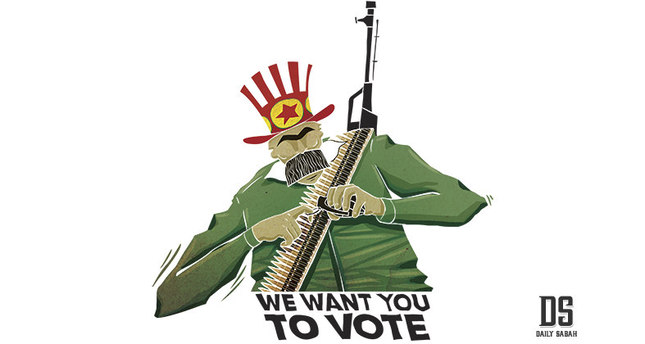
Turkey’s election cycle continues, as the country heads for a new round of elections this November. Following the June 2015 elections, it proved impossible to establish a coalition government, and now, the caretaker government under Justice and Development Party (AK Party) leadership, is taking the country to “repeat” elections. Despite receiving nearly 41 percent of the vote, the AK Party could not form a single party government because the Peoples’ Democratic Party (HDP) passed the national threshold with 13 percent and secured 80 parliamentary seats. The June elections showed that the electorate still saw the AK Party as the only party capable of governing, while denying the ruling party yet another single party government. The wildcard – that is, the HDP passing the national threshold – worked against the AK Party in June. Whether the HDP can surpass the threshold once again in a maximum security political atmosphere will be critical to these next election results. Continue reading Turkey’s Repeat Elections: The Kurdish Wildcard
Türk-Amerikan İlişkilerinde İncirlik, DAEŞ ve PKK
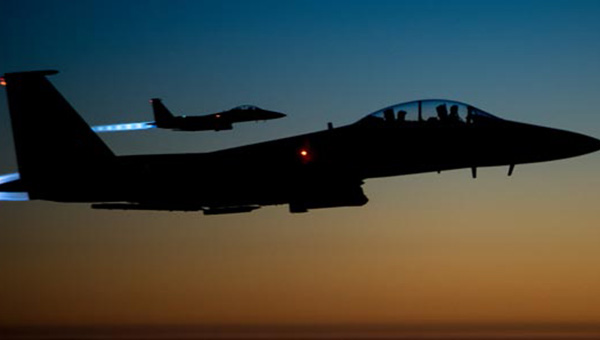
Türkiye Suruç saldırısının ardından DAEŞ’e karşı koalisyonda daha aktif rol alma kararı aldı. Türkiye ve Amerika İncirlik’in Amerikan hava kuvvetleri tarafından kullanılması ve kuzey Suriye’de DAEŞ’den arındırılmış bir bölge oluşturulması konularında anlaşmaya vardı.
Anlaşmanın detayları hakkında çok fazla bilgi olmasa da bölgenin Suriyeli ılımlı muhalefetin önünü açarak DAEŞ’in geriletilmesine yönelik olduğu ve ayrıca PYD’nin hareket alanını Arap ve Türkmenler aleyhine genişletme çabalarının engellenmesinin hedeflendiği anlaşılıyor. Ancak Türkiye’yle ABD’nin anlaşmasına rağmen, yapılan analiz ve yorumlarda Türkiye’nin İncirlik karşılığında asıl derdi olan Kürtlere saldırdığı temasının hâkim olduğunu görüyoruz. Ayrıca AK Parti’nin milliyetçi bir dalga yaratarak erken seçimlerde tek başına iktidar olmayı hedeflediği yorumları da revaçta. Türkiye’nin DAEŞ’e karşı mücadelede daha fazla rol oynaması genel olarak memnuniyetle karşılanırken, PKK operasyonlarına şüpheyle yaklaşılması aslında Obama yönetiminin DAEŞ stratejisinin eksikliklerine işaret ediyor. Amerikan yönetimi DAEŞ’e karşı mücadelesinde Türkiye gibi müttefikleriyle kapsamlı bir strateji oluşturmaktansa PYD gibi yerel aktörlerle işbirliği yaparak DAEŞ’i geriletmeye çalışıyor. Bu stratejinin Amerikan kamuoyuna yansıması da bölgede DAEŞ’le mücadele eden tek seküler gücün ‘Kürtler’ olduğu şeklinde. Türkiye’nin PKK operasyonlarına yapılan eleştirileri bu bağlamda değerlendirmek gerekiyor. Continue reading Türk-Amerikan İlişkilerinde İncirlik, DAEŞ ve PKK
Toward U.S.-Turkey Realignment on Syria
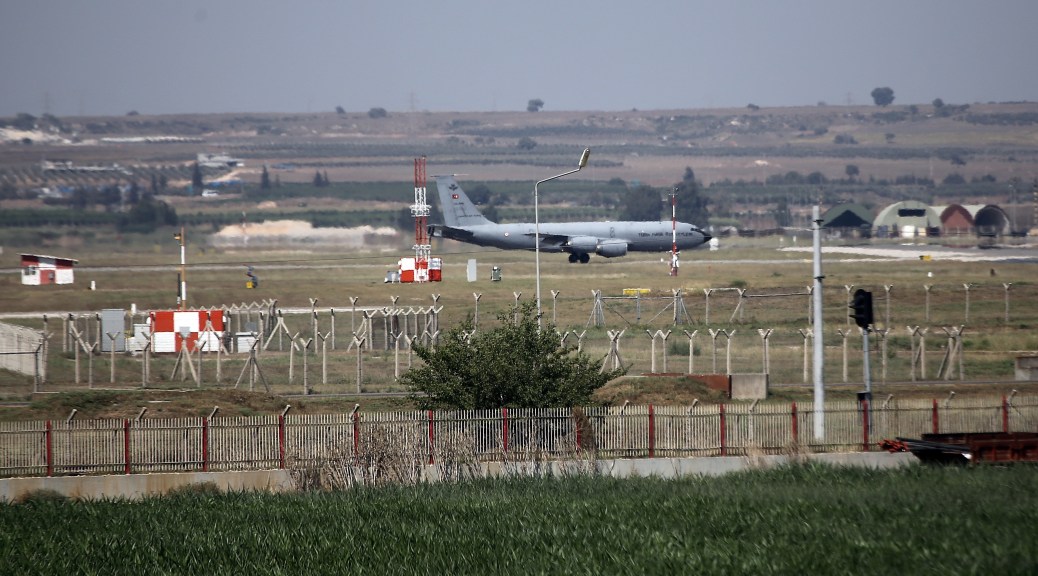
Turkey’s struggle against the Islamic State of Iraq and the Levant (ISIL) took on a new dimension in the wake of the Suruc bombing on July 20, 2015. Turkish policy has now shifted to allow the use of Incirlik air base by U.S. forces. Moreover, there seems to be a tentative agreement on creating a safe zone for the moderate opposition fighters that could eventually allow for potential repatriation of some of the refugees currently residing in Turkey. Recent Turkish efforts to ramp up the fight against ISIL and the Suruc bombing itself seem to have served as a catalyzer for the revision of Turkish policy. This shift may bring the two NATO allies closer in how they see the dynamics in northern Syria but it should not be mistaken for full agreement or coordination of their respective Syria policies. In the long run, however, differences in terms of fighting against ISIL will likely persist, as Turkey still considers ISIL as an outcome of the broader conflict exacerbated by the Assad regime while the U.S. shows no sign of adopting a comprehensive Syria policy to address the challenges beyond ISIL.
Ever since the Kobani resistance in the fall of 2014, which Turkey supported by allowing Kurdistan Regional Government (KRG) forces to pass through its territory and by providing shelter for the civilian population of the town, an increasingly visible divergence between the U.S. and Turkish strategies toward the Syrian civil war has been laid bare. Turkey has insisted on a comprehensive strategy toward the war as a whole before committing militarily in the fight against ISIL in the Syrian territory. The U.S., in contrast, focused narrowly on containing and rolling back ISIL by using local forces such as the Democratic Union Party (PYD) to allow for its “no boots on the ground” approach. Turkey’s priority has been to prevent the inflow of refugees and protect itself against spillover effects of the conflict while helping the Syrian opposition. The fight against ISIL necessitated a serious engagement over the entirety of the conflict in addition to active cooperation among Turkey, the U.S., and the European allies on intelligence related to foreign fighters and ISIL’ financial networks. The U.S. administration, however, adopted a short-term solution by forming an international coalition to conduct air strikes against ISIL, expecting local actors to reclaim territory from ISIL. Based on this approach, the U.S. started to cooperate with the Kurdistan Workers’ Party’s (PKK) Syrian affiliate, the PYD, which added a new dimension to the already existing and deepening disagreement between Turkey and the U.S. Continue reading Toward U.S.-Turkey Realignment on Syria

Türk-Amerikan ilişkilerinde PYD ve Suriye
Türkiye Kobani kuşatması sırasında da sonrasında da PYD’ye belli şartlar öne sürmüş ve kantonlar üzerinden fiili bir bölünme durumu yaratmamasını salık vermişti. Türkiye’yle çalışmaktansa ABD’nin IŞİD’e odaklanmasını fırsat bilen PYD de kendine açılan alanı değerlendirerek uluslararası meşruiyet kazanma yoluna gitti. Bunlar Türk-Amerikan ilişkilerinin kısa vadede toparlanıp güçlenmesi ihtimalini zayıflatıyor.
2014 Eylül’ünde Kobani DAEŞ tarafından kuşatma altına alındığında Obama yönetimi terör listesinde olan PKK’yla PYD arasında legal bir ayırım yaparak PYD’ye destek vermişti. O dönemde Amerikan dış politika analistleri ve medyasından Türkiye’nin DAEŞ karşıtı koalisyona yeterince destek vermediği yönünde eleştiriler gelmişti. Bu eleştirilerin bir kısmı da ismi açıklanmayan Obama yönetimi yetkilileri tarafından basın aracılığıyla ifade edilmişti. Kobani’nin DAEŞ’e düşmemesi için Barzani güçlerinin Kobani’ye geçmesini sağlayan Türkiye’nin verdiği bu katkıya rağmen Türkiye aleyhinde Kürtlere karşı DAEŞ’e destek verdiği yönünde haberler devam etti. PYD’ye Suriye’nin bütünlüğünü bozmaması, etnik temelli bir politika gütmemesi ve Esad yönetimine karşı tavır almasını şart koşan Türkiye’nin Suriye Kürtlerinin kendilerini ve topraklarını korumalarına karşı olduğu şeklinde bir imaj oluştu. Amerikan hükümeti ise DAEŞ’le etkin mücadele ettiğini düşündüğü PYD’ye destek vererek Türkiye’nin kaygılarını görmezden geldi. Türkiye’yle Amerika arasında Suriye’deki öncelikler konusunda bir görüş birliği sağlanamayınca, Amerika’nın DAEŞ politikası Türkiye’nin tepkisini çekecek derecede PYD’ye destek üzerine kurgulandı. Continue reading Türk-Amerikan ilişkilerinde PYD ve Suriye
Politics and Foreign Policy in Turkey: Historical and Contemporary Perspectives
This edited volume is the product of the Young Scholars on Turkey (YSOT) Conference held in Washington, D.C. on February 12, 2014. We have worked with the presenters of the conference to transform their paper presentations into chapter-long analyses of various domestic and foreign policy issues in Turkey. The diversity of papers in terms of content and approach, combining historical analyses, theoretical exercises, and case studies, makes this compilation an interesting read for both academic and policy audiences. Chapters provide us with fresh research findings from early career academics on domestic and foreign policy issues. We hope that they contribute to a growing number of nuanced and careful analyses on Turkey.
TABLE OF CONTENTS
Introduction
Huseyin Alptekin, Kurdish Question and State Policies in Turkey: Ethnic Incorporation Policies and Kurdish Peripheral Demands, 2002-2014
Dilek Yankaya, The Consolidation of the New Islamic Bourgeoisie in Turkey: Elite Formation and Recruitment Patterns Under the Justice and Development Party
Begum Adalet, The Road to Modernization: Technical Aid and Expertise in Turkish-American Interactions
Moritz Pieper, Turkey’s Iran Policy: A Case of Dual Strategic Hedging
Olgu Okumus, Turkey’s Objective of Being an Energy Center
Kilic Bugra Kanat, Turkish Foreign Policy in the Age of the Arab Spring
Kadir Ustun, Obama’s Middle East Policy and U.S.-Turkey Relations
Biographies
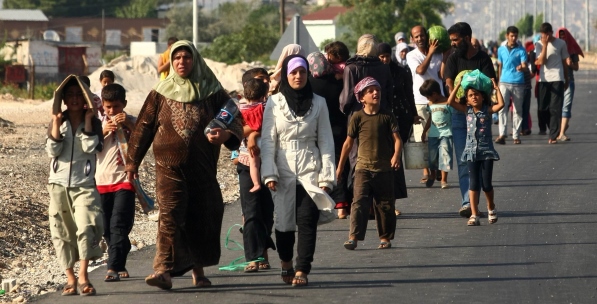
Turkey’s Syrian Refugees: Toward Integration
The Syrian conflict has produced the most compelling humanitarian challenge of the 21st century. According to the United Nations Office for the Coordination of Humanitarian Affairs (OCHA), there are 12.2 million people in need of humanitarian assistance with 3.9 million who fled the country and 7.6 million internally displaced persons in Syria. With no end to the conflict in sight, these numbers simply continue to rise and the obstacles to resolving the crisis remain out of reach. Syria’s neighbors are under great pressure to host the refugees and most of them struggle to respond adequately.
According to unofficial estimates, Turkey currently hosts around 2 million Syrian refugees who are, comparatively speaking, in “better off ” than refugees in other neighbors of Syria. Turkey has done an exemplary job in hosting them and has received praise for its efforts by the international community. In fact, the Turkish government and the civil society have demonstrated nothing short of a “Herculean” effort in providing for the Syrian refugees over the past four years. Nevertheless, there remain serious shortterm and long-term challenges ahead in ensuring the well being of the refugees in countries neighboring Syria. These more long-term impediments need to be addressed to contain the potential fall-out of the integration of Syrian refugees and risk to the social stability in neighboring countries with the ongoing conflict in Syria. The international community, for its part, needs to play a much more substantial role in helping Turkey and other neighbors of Syria in shouldering this enormous burden.
 Kadir Ustun