All posts by Kadir Ustun

EU-Turkey Refugee Agreement: Too Big to Fail

This analysis was coauthored by Lesley Dudden and Kadir Ustun and published by The SETA Foundation on June 5, 2017.


The analysis outlines the process through which the EU-Turkey Joint Action Plan (JAP) on refugees came into being and examines the impact of the agreement, including its challenges and successes.


The migrant crisis that has stemmed from the ongoing strife in the MENA region is one of the most devastating and consequential crises of modern times. Its impact has been felt across continents, in countries such as Turkey, Lebanon and Jordan, along with European Union member states and the United States. In addition to unprecedented regional humanitarian challenges, the crisis shook Europe to its core by challenging its political institutions and humanitarian values. The rise of populism and Islamophobia in the West in general is closely associated with the migrant crisis that has pushed the capacity of countries to their limits.

Perhaps no relationship has been more affected by the refugee crisis than that between the European Union and Turkey. EU-Turkey relations have been strained and undermined by the migrant crisis to such a degree that it seems to have created a “make or break” moment in Turkey’s EU accession talks. This analysis outlines the process through which the EU-Turkey Joint Action Plan (JAP) on refugees came into being and examines the impact of the agreement, including its challenges and successes. It also seeks to understand how heightened tensions between the EU and Turkey will affect the longevity and effectiveness of the agreement.

Introduction

The migrant crisis that has stemmed from the ongoing strife in the MENA region is one of the most devastating and consequential crises in modern times. Its impact has been felt across continents, in countries such as Turkey, Lebanon and Jordan, along with European Union (EU) member states and the United States. In addition to unprecedented regional humanitarian challenges, the crisis shook Europe to its core by challenging its political institutions and humanitarian values. The rise of populism and Islamophobia in the West in general is closely associated with the migrant crisis that has pushed countries capacities to their limits.

Perhaps no relationship has been more affected by the refugee crisis than that between the EU and Turkey. EU-Turkey relations have been strained and undermined by the migrant crisis to such a degree that it seems to have created a “make or break” moment in Turkey’s EU accession talks. Yet, the survival of the agreement indicates that benefits derived from stabilization of the large refugee influxes and illegal crossings do exist. This analysis outlines the process through which the EU-Turkey Joint Action Plan (JAP) on refugees came into being and examines the impact of the agreement, including its challenges and successes. It also seeks to understand how heightened tensions between the EU and Turkey will impact the longevity and effectiveness of the agreement.

Download the Report

It’s time for the US to stop alienating its allies

This article was first published in Al Jazeera English on May 6, 2017.


Turkey’s air strikes on PKK-affiliated groups in Iraq and Syria should be a wake-up call for the Trump administration.


Turkey’s April 25 air strikes against Kurdistan Workers’ Party (PKK) positions in Iraq and its affiliate People’s Protection Units (YPG) in Syria were unexpected, but should not have surprised anyone.

Turkey has consistently maintained that the PKK’s presence in Iraq’s Sinjar region was unacceptable. Only two months into the Euphrates Shield Operation back in October 2016, President Recep Tayyip Erdogan pledged that Turkey would not tolerate Sinjar to be the “new Qandil”, referring to the terror group’s base of operations in northern Iraq.

While Turkish officials repeated their opposition to PKK’s presence in Sinjar several times, officials from the Kurdish Regional Government (KRG) also asked the PKK to leave the area.

Early in March 2017, clashes broke out between the PKK-linked Yazidi militia and the KRG’s Peshmerga fighters, a sign of increased tensions among Kurdish groups fuelled by the PKK’s lingering presence in the region.

Qandil mountains are located along the Iraq-Iran border in northeastern Iraq. The PKK have long been taking advantage of the mountainous terrain and using its bases there to train, plan attacks, and provide logistical support to its fighters. A similar base in Sinjar would help the PKK to operate in northwestern Iraq – an area near the Syrian border which is critically important for the fight against the Islamic State of Iraq and the Levant (ISIL, also known as ISIS). US military planners must be betting on the promises of the PKK-linked Sinjar Resistance Units to help cut off ISIL’s route between Mosul and Raqqa.

A strain on US-Turkey relations

Turkey is opposed to not only PKK’s influence in the region, but also the US’ apparent tactical decision to utilise the PKK against ISIL. Turkey prefers a combination of Peshmerga forces and Free Syrian Army fighters to take the lead in the fight against ISIL, as these groups pose no threat to Turkey’s national security.

The PKK, on the other hand, has not only continued to conduct attacks against Turkey but has also sought to establish an autonomous region in northern Syria through its Syrian affiliate, the Democratic Union Party, by making deals with prominent actors in Syria’s war, including Russia.

Creating a hub and a base for its operations in Sinjar is critical for the PKK, but actualisation of this plan would ironically violate the Iraqi-Syrian border – just like ISIL attempted to do in the past.

US military leaders seem to consider the PKK affiliates in Iraq and Syria as allies in the fight against ISIL.

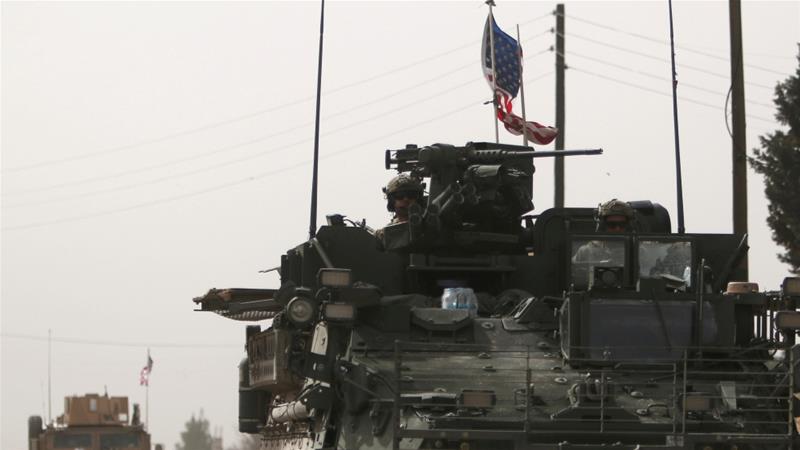
The US Central Command went even further than that and is now reportedly patrolling the Syrian-Turkish border to discourage escalation and violence between two of its “most trusted partners in the fight to defeat ISIL”.

The US military did not hide its displeasure with the Turkish air strikes against the PKK and its affiliates in Iraq and Syria despite the fact that the US and Turkey are supposed to be part of the same anti-ISIS coalition. At the same time, neither President Trump, nor US officials at the cabinet level, have made any statements against Turkish operations.

The forthcoming meeting between US President Donald Trump and his Turkish counterpart will surely involve extensive discussions around the US-Turkey strategic disconnect in the fight against ISIL and the PKK’s influence on the ground. It will be a challenge, however, to resolve this issue in one meeting.

Two sides will need to talk more often and in-depth about a military plan to root out ISIL but also, and more importantly, they will need to agree on a political plan that would establish stability on the ground in a post-ISIL scenario. Unfortunately, the anti-ISIL coalition’s efforts have been largely tactical and created space for non-state actors such as the PKK to take advantage of a security vacuum spanning Iraq and Syria.

There are signs that the Trump administration may be working on a more thoughtful approach that prioritises long-term strategies over short-term tactical gains.

It is not clear, however, if this new approach will translate into actual policy. So far, the White House has not made a political decision on whether to arm the YPG directly and include them in operations to liberate Raqqa from ISIL. Turkey has presented multiple proposals that exclude the YPG from the Raqqa operation and replace them with local Arab forces supported by Turkish troops.

Any scenario that empowers and legitimises PKK’s affiliates will certainly strain US-Turkey relations and risk weakening anti-ISIL operations. It is clear as a result of the April 25 operations that Turkey is determined to limit the reach and influence of the PKK and its affiliates on national security grounds. Beyond Turkey’s own national security requirements, it is difficult to see how allowing the PKK to control Arab-majority towns and to establish an autonomous region in northern Syria contributes to long-term stability.

The Trump administration needs to go beyond tactical wins and take its time to create a more careful strategy both to avoid alienating key allies, such as Turkey, and to conduct a sustainable anti-ISIL campaign.

Kadir Ustun is the Executive Director of the SETA Foundation in Washington, DC.

The views expressed in this article are the author’s own and do not necessarily reflect Al Jazeera’s editorial policy.

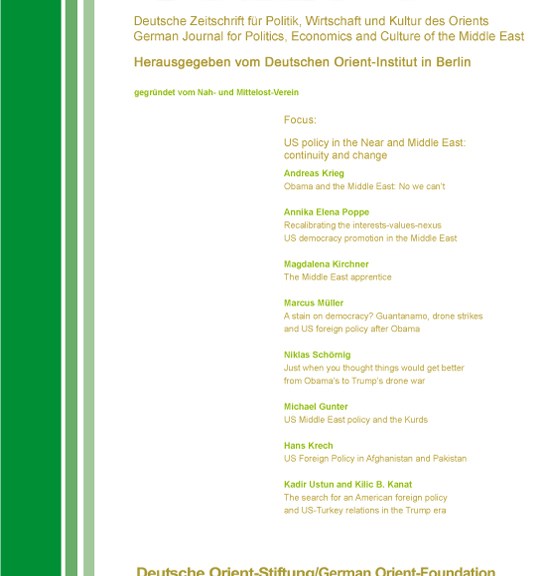
The Search for an American Foreign Policy and US-Turkey Relations in the Trump Era

This article was coauthored by Kadir Ustun and Kilic Kanat and was published by Orient on March 31, 2017.


Orient_II_2017_final_XL

The US must heed Turkish Concerns in Syria

This article was first published by New Turkey on March 19, 2017.

United States Senator John McCain has it right that the US has underestimated and, at times, disregarded Turkey’s concern over its support for the People’s Protection Units (YPG) in Syria. The US’ rationale for helping the YPG was predicated on a flawed anti-ISIL strategy that shied away from a comprehensive approach.

The US must heed Turkish Concerns in Syria

United States Senator John McCain has it right that the US has underestimated and, at times, disregarded Turkey’s concern over its support for the People’s Protection Units (YPG) in Syria. The US’ rationale for helping the YPG was predicated on a flawed anti-ISIL strategy that shied away from a comprehensive approach.

Turkish discomfort with the US support for the YPG is not based on an opposition against Syrian Kurds. Despite their efforts to promote themselves as the representatives of Syrian Kurds, the YPG poses a direct national security threat to Turkey.

The group is the Syrian arm of the Kurdistan Workers’ Party (PKK) – designated by Turkey, the US, and the European Union as a terrorist organisation – which has been fighting the Turkish government since 1984.

The two groups’ close ties have previously been acknowledged by US officials including the former US Defense Secretary Ash Carter in a Senate Armed Services Committee hearing.

The YPG draws much of its tactical and strategic direction as well as resources from the PKK and arms given to the YPG directly threaten Turkey, as they can be passed onto PKK fighters inside Turkey.

In other words, continued US support for the YPG lends legitimacy to the Syrian extension of a terror organisation threatening a NATO ally.

‘A Misguided Policy’

The US appears set to move forward with arming and supporting the PKK-linked YPG in preparation for the Raqqa operation.

This is not only the continuation of a misguided policy left over from the Obama administration, but it also risks irreparable damage to US’ relations with Turkey, a critical ally in the fight against the Islamic State of Iraq and the Levant (ISIL, also known as ISIS).

Turkey has been quite hopeful about a potential change in Syria policy under the Trump administration, but all indications are that the new US administration’s Syria policy is also dominated by the fight against ISIL.

Under Donald Trump, the Pentagon is focused on achieving a victory against ISIL by working with “local partners” and limiting American “boots on the ground”. which is a continuation of the Obama administration’s strategy.

This approach disregards Turkey’s concerns and spells instability and unpredictability after dislodging ISIL from Raqqa and northern Syria.

The Obama administration invested in developing relations with the PKK-linked YPG fighters in Syria under the pretext that they were the only effective fighting force on the ground to fight ISIL.

This view ignored the political ambitions of the Democratic Union Party (PYD), the political umbrella organisation of the Syrian Kurds, to create a de facto autonomous region in northern Syria and, perhaps inadvertently, emboldened the PKK against Turkey, as it sought international support and legitimacy.

It also failed to acknowledge the demographic engineering efforts or the human rights abuses of the PYD that sought to push out Arab populations from northern Syria.

While the YPG promoted itself as the only reliable, secular, effective fighting force in the region, the US chose to ignore that the YPG focused on establishing and consolidating their control in the region at the expense of Syrian Arabs and even other Kurdish groups.

Trump’s Strategy

The Obama administration was following an “Iraq first” strategy in their efforts to defeat ISIL by subcontracting the fight against the armed group to YPG in northern Syria.

But the Trump administration wants to achieve speedy results through bold action, so there are signs that the US’ fight against ISIL might proceed on both fronts – in Iraq and Syria – in the near future.

“If the US wants to avoid being responsible for a nation building process in Syria, akin to its largely failed effort in Iraq, it will need to work with regional allies like Turkey.”

This makes sense given that as a result of Obama administration’s reluctance to be involved in Syria, ISIL has had a lot of resources and breathing room in this country.

However, if not enough thought is given to post-ISIL stabilisation efforts in Raqqa and the rest of northern Syria, the military defeat of ISIL might be followed by instability and potential conflict between Turkey and the YPG.

Turkey has warned the US against such a scenario while providing plans to liberate and stabilise Raqqa without YPG involvement.

If the Pentagon and the Turkish military cannot come up with an agreement on this, the odd reality of supporting forces hostile to one another will likely persist and pit forces supported by the US and Turkey against each other on the ground.

The Trump administration has yet to make a final decision on directly arming the YPG and the consequences of that decision will be critical not only for the fight against ISIL, but for the broader dynamics of the US-Turkey relations.

If the administration decides to arm the YPG despite Turkish opposition, there may be backlash in the form of reduced cooperation at the least.

‘Long-lasting scars’

Even if Turkey decides to seek other ways of cooperation instead of increasing tensions, the scars from this episode will last a long time.

The Trump administration needs to move away from tactical alliances with groups such as the YPG towards creating serious alliances among state actors in order to build a strong coalition against ISIL.

The prospect of rapidly winning tactical military battles on the ground will be difficult to resist, but winning the broader war against ISIL requires longer-term policies that ensure post-ISIL stabilisation.

Especially if the US wants to avoid being responsible for a nation building process in Syria, akin to its largely failed efforts in Iraq, it will need to work with regional allies like Turkey.

Enduring success against ISIL cannot be achieved without the support and coordination of a strong and active international coalition.

Turkey has been part of the anti-ISIL coalition and it is the only coalition member with troops on the ground. Alienating Turkey in the fight against ISIL has been one of the most regrettable aspects of US policy in the waning years of the Obama administration and the Trump administration risks falling into the same trap.

According to news reports, the Pentagon will have more operational decision-making authority on the ground, but this should be accompanied by serious coalition work at the diplomatic and political level, recognising that ISIL is a product and a symptom of a broader breakdown of the political compact in Iraq and Syria.

To address the threat politically, the US needs allies, including Turkey, whose national security will be at stake in the outcome of the upcoming fights in Raqqa and beyond.

The US must heed Turkish concerns in Syria

This article was first published in Al Jazeera English on March 15, 2017.


If the US insists on supporting the YPG against Turkey’s wishes, Syria’s post-ISIL stability is going to be in peril.


United States Senator John McCain has it right that the US has underestimated and, at times, disregarded Turkey’s concern over its support for the People’s Protection Units (YPG) in Syria. The US’ rationale for helping the YPG was predicated on a flawed anti-ISIL strategy that shied away from a comprehensive approach.

Turkish discomfort with the US support for the YPG is not based on an opposition against Syrian Kurds. Despite their efforts to promote themselves as the representatives of Syrian Kurds, the YPG poses a direct national security threat to Turkey.

The group is the Syrian arm of the Kurdistan Workers’ Party (PKK) – designated by Turkey, the US, and the European Union as a terrorist organisation – which has been fighting the Turkish government since 1984.

The two groups’ close ties have previously been acknowledged by US officials including the former US Defense Secretary Ash Carter in a Senate Armed Services Committee hearing.

The YPG draws much of its tactical and strategic direction as well as resources from the PKK and arms given to the YPG directly threaten Turkey, as they can be passed onto PKK fighters inside Turkey.

In other words, continued US support for the YPG lends legitimacy to the Syrian extension of a terror organisation threatening a NATO ally.

‘A misguided policy’ 

The US appears set to move forward with arming and supporting the PKK-linked YPG in preparation for the Raqqa operation.

This is not only the continuation of a misguided policy left over from the Obama administration, but it also risks irreparable damage to US’ relations with Turkey, a critical ally in the fight against the Islamic State of Iraq and the Levant (ISIL, also known as ISIS).

Turkey has been quite hopeful about a potential change in Syria policy under the Trump administration, but all indications are that the new US administration’s Syria policy is also dominated by the fight against ISIL.

Under Donald Trump, the Pentagon is focused on achieving a victory against ISIL by working with “local partners” and limiting American “boots on the ground”. which is a continuation of the Obama administration’s strategy.

This approach disregards Turkey’s concerns and spells instability and unpredictability after dislodging ISIL from Raqqa and northern Syria.

The Obama administration invested in developing relations with the PKK-linked YPG fighters in Syria under the pretext that they were the only effective fighting force on the ground to fight ISIL.

This view ignored the political ambitions of the Democratic Union Party (PYD), the political umbrella organisation of the Syrian Kurds, to create a de facto autonomous region in northern Syria and, perhaps inadvertently, emboldened the PKK against Turkey, as it sought international support and legitimacy.

It also failed to acknowledge the demographic engineering efforts or the human rights abuses of the PYD that sought to push out Arab populations from northern Syria.

While the YPG promoted itself as the only reliable, secular, effective fighting force in the region, the US chose to ignore that the YPG focused on establishing and consolidating their control in the region at the expense of Syrian Arabs and even other Kurdish groups.

Trump’s strategy

The Obama administration was following an “Iraq first” strategy in their efforts to defeat ISIL by subcontracting the fight against the armed group to YPG in northern Syria.

But the Trump administration wants to achieve speedy results through bold action, so there are signs that the US’ fight against ISIL might proceed on both fronts – in Iraq and Syria – in the near future.

This makes sense given that as a result of Obama administration’s reluctance to be involved in Syria, ISIL has had a lot of resources and breathing room in this country.

However, if not enough thought is given to post-ISIL stabilisation efforts in Raqqa and the rest of northern Syria, the military defeat of ISIL might be followed by instability and potential conflict between Turkey and the YPG.

Turkey has warned the US against such a scenario while providing plans to liberate and stabilise Raqqa without YPG involvement.

If the Pentagon and the Turkish military cannot come up with an agreement on this, the odd reality of supporting forces hostile to one another will likely persist and pit forces supported by the US and Turkey against each other on the ground.

The Trump administration has yet to make a final decision on directly arming the YPG and the consequences of that decision will be critical not only for the fight against ISIL, but for the broader dynamics of the US-Turkey relations.

If the administration decides to arm the YPG despite Turkish opposition, there may be backlash in the form of reduced cooperation at the least.

‘Long-lasting scars’

Even if Turkey decides to seek other ways of cooperation instead of increasing tensions, the scars from this episode will last a long time.

The Trump administration needs to move away from tactical alliances with groups such as the YPG towards creating serious alliances among state actors in order to build a strong coalition against ISIL.

The prospect of rapidly winning tactical military battles on the ground will be difficult to resist, but winning the broader war against ISIL requires longer-term policies that ensure post-ISIL stabilisation.

Especially if the US wants to avoid being responsible for a nation building process in Syria, akin to its largely failed efforts in Iraq, it will need to work with regional allies like Turkey.

Enduring success against ISIL cannot be achieved without the support and coordination of a strong and active international coalition.

Turkey has been part of the anti-ISIL coalition and it is the only coalition member with troops on the ground. Alienating Turkey in the fight against ISIL has been one of the most regrettable aspects of US policy in the waning years of the Obama administration and the Trump administration risks falling into the same trap.

According to news reports, the Pentagon will have more operational decision-making authority on the ground, but this should be accompanied by serious coalition work at the diplomatic and political level, recognising that ISIL is a product and a symptom of a broader breakdown of the political compact in Iraq and Syria.

To address the threat politically, the US needs allies, including Turkey, whose national security will be at stake in the outcome of the upcoming fights in Raqqa and beyond.

Kadir Ustun is the Executive Director of the SETA Foundation in Washington, DC.

The views expressed in this article are the author’s own and do not necessarily reflect Al Jazeera’s editorial policy.


ABD’nin Ortadoğu Politikasının Açmazları

Hem Clinton hem de Trump DAEŞ’i bitirme vaadiyle kampanya yapıyor ancak her ikisi de Amerikan askerlerinin sahaya inmeyeceği vaadini de yineliyor.

Kasım ayında yapılacak Amerikan başkanlık seçimleri birçok yönüyle şimdiden tarihe geçti. 2008’de ilk siyahi başkanını seçen Amerikan halkı, şu sıralar siyasi geçmişi olmayan bir işadamı ile ilk kadın başkan adayı profilleri arasında bir seçim yapacak. Bu sembolik ilklerin ötesinde, bir yılı aşkın süredir devam eden önseçim süreci ve başkanlık yarışında yaşananlar Amerikan siyasetinin ne kadar kutuplaştığına ve dar bir alana sıkıştığına da işaret ediyor. Clinton gibi merkezi temsil eden bir adayın Sanders destekçisi sol-liberal tabanı memnun etmeye çalışması ve Trump’ın muhafazakar adayları adeta hallaç pamuğu gibi atması Amerikan siyasetinin tıkanmışlığının işareti aslında. Kasım seçimleri sonrasında yeni başkanın bu tıkanmışlığa ve mikro gündemlerin siyaseti kilitlemesine bir çözüm bulması gerekecek. Aksi takdirde üçüncü bir partinin kurulmasından siyasetin aşırı uçlara kaymasına kadar birçok senaryo mümkün hale gelebilir.

EKONOMİK TEDİRGİNLİK

Başkan olur olmaz 1930’lardan beri yaşanan en büyük ekonomik krizi kucağında bulan Obama, taraftarlarına bakılırsa ülkeyi uçurumun eşiğinden kurtarmıştı. Karşıtları ise Obama’yı ekonominin düzelmesindeki yavaşlıktan ve sağlık reformunu önceleyerek ekonomiye ekstra yük getirmekten sorumlu tutuyorlar. Mevcut başkan adaylarının ekonomiyi nasıl daha dinamik hale getirecekleri konusunda ise ciddi bir belirsizlik var. Clinton’ın ekonomi planı orta sınıfın güçlendirilmesi üzerinden Trump’ın planı ise vergilerin azaltılmasıyla ekonomiyi canlandırmayı öneriyor. Ana hatlarıyla her iki partinin genel yaklaşımını temsil eden bu planların başarı garantisi yok elbette. 1990’larda internet sayesinde ekonominin ölçeğinin çok çabuk büyümesi ve 2000’lerde inşaat sektörünün motor görevi görmesi Amerikan ekonomisini güçlü kılmıştı. Ekonominin benzer bir teknolojik atılım yapacağının garantisi yok. Bush yıllarında olduğu gibi ucuz kredilerin sorumsuzca dağıtılarak ev sahibi olmanın özendirilmesi de mümkün olmayacak.

Bu gerçeklerin farkında olan Clinton ve Trump da çalışan kesimlere ve orta sınıfa hitap ederek oy almaya çalışıyor. Clinton sendikaların desteğini almak için daha önce desteklediği uluslararası ticaret anlaşmalarına şüpheci bir söylem benimsiyor. Trump ise popülist bir söylemle imalathanelerin ve fabrikaların Çin ve Meksika gibi ülkelere gitmesinden Amerika’nın aleyhine bulduğu ticaret anlaşmalarını sorumlu tutuyor ve daha korumacı politikalar öneriyor. Ancak her iki adayın da güvenirlik oranı o kadar düşük ki halk ne Clinton’ın gerçekten çalışanların çıkarına politikalar izleyeceğine ne de Trump’ın orta sınıfı önceleyeceğine ikna olmuş durumda.

2008-2009 finans krizinin yaralarının hala sarılamadığı ve ekonominin güven vermediği bir dönemde, başkan adaylarının ya yeterince cesur olmayan ya da gerçekçilikten uzak planları halkı tatmin etmiyor. Yeni başkan kim olursa olsun, Trump’ın halkın ekonomik tedirginliklerini lehine kullanmaya çalışırken hedefe koyduğu dini ve etnik azınlık gruplarına oluşan tepkiyi nasıl yöneteceği Amerikan siyasi sisteminin en önemli sorunlarından biri olarak öne çıkıyor.

SAVAŞ YORGUNLUĞU

Bush yıllarının getirdiği savaş yorgunluğu ve karşıtlığı psikolojisiyle değişim için harekete geçen kitlelerin enerjisi Obama’nın başkan seçilmesinin ana sebebi olmuştu. Irak işgalinin maddi ve manevi sonuçlarının getirdiği bezginlik ve Amerika’nın Ortadoğu ‘bataklığına’ sağlandığı duygusu Amerikan halkını yeni bir arayışa itmişti. Bu arayışı iyi kavrayan Obama ve kampanyası, Clinton’ı ön seçimlerde eski düzenin temsilcisi olmak ve Irak işgaline oy vermek üzerinden mahkum etmeyi başarmıştı. Ülke çapında gençleri yanına alarak eşi görülmemiş bir siyasi mobilizasyon yaratan Obama kampanyası savaş karşıtı ancak değişim vadeden pozitif gündemiyle öne çıkmıştı.

İki dönem başkanlığı sonunda vadettiği düzeyde bir değişim sağlayamasa da başkanı Amerika’yı geniş kapsamlı yeni bir savaşa sokmadığı için alkışlayanlar epeyce fazla. Trump’ın da dahil olduğu muhalifleri ise el-Kaide’nin evirilerek DAEŞ’in bu kadar fazla ülkeye yayılmasından Obama yönetimini sorumlu tutuyor. Savaş karşıtlığına rağmen ulusal güvenlik konusunda güçlü görünmek zorunda olan Obama, konvansiyonel olmayan anti-terör metotlarını geniş bir biçimde kullanarak ulusal güvenlik konusundaki eleştirileri boşa çıkarmayı başardı. Özellikle Bin Ladin’in bertaraf edilmesi ‘savaştan uzak duran ancak terörle mücadelede korkusuz başkan’ imajını perçinledi. Bush’un demokrasi yayma ajandasından vazgeçen ve terörle mücadeleyi Amerika için varoluşsal bir ana gündem maddesi olmaktan çıkarmaya çalışan Obama, Irak’tan çekilmeyi ve Afganistan’da asker sayısını azaltmasını da başarı olarak görüyor. Suriye politikasına da bu perspektiften yaklaştığı için başarıları arasında sayıyor.

Obama nasıl 2008’de anti-Bush bir platformla başkanlığı kazandıysa, Trump da 2016’da anti-Obama platformun üzerinde yükselmeye çalışıyor. İşin ilginç tarafı Trump başkanlık yarışının başından beri hararetle Irak işgaline karşı olduğunu savunup Amerikan halkının savaş bıkkını hissiyatından faydalanmaya çalışıyor. Trump, Obama’nın 2008’de yaptığı gibi, Clinton’ın işgali mümkün kılan ve Bush yönetimine güç kullanma hakkını veren tasarıya oy vermiş olmasını kendi lehine kullanmaya çalışıyor. Amerikan halkının Bush yıllarının müdahaleci tavrından ne kadar uzak durmak istediğini North Carolina ön seçimlerinde bir kez daha gördük. George W. Bush’un kalesi sayılan eyalette Trump, Bush’u eleştirerek kardeşi Jeb Bush’u açık arayla yenmeyi başardı. Irak işgalinin tam bir fiyasko olduğu tezi o kadar güçlü ki her iki adayın da Amerika’nın müdahaleci olmayacağı yönünde sözler verdiğini görüyoruz.

ORTADOĞU POLİTİKASI

Ortadoğu’dan çıkma vaadiyle iktidara gelen Obama döneminde Amerikan halkının önemli bir çoğunluğu artık Ortadoğu’nun adeta ‘iflah olmaz’ bir coğrafya olduğu tezini kanıksamış durumda. Hem Clinton hem de Trump DAEŞ’i bitirme vaadiyle kampanya yapıyor ancak her ikisi de Amerikan askerlerinin sahaya inmeyeceği vaadini de yineliyor. Yeni başkan DAEŞ’le mücadelede kapsamlı bir strateji oluşturup meseleyi gerçek anlamda uluslararası işbirliği çerçevesine oturttuğu oranda başarılı olacaktır. Bu noktada genel Ortadoğu politikasını DAEŞ’le mücadeleye indirgeyen Obama yönetiminden bir kopuş gerekecek. Amerikan kamuoyunun tavrı hatırlandığında, yeni başkanın yeni bir Ortadoğu politikası önerisi sunmasını beklemek pek gerçekçi olmasa gerek. Ancak Suriye politikasının değişmesi ve nispeten de olsa bir başarı kazanması, genel Ortadoğu politikasının değişmesine zemin hazırlayabilir.

Başkan olduğu takdirde, Clinton Suriye konusunda Obama’dan daha aktif bir politika izleyecektir ancak bunun iç savaşı bitirmeye yetip yetmeyeceği merak konusu. Clinton’ın daha müdahaleci bir dış politika tercihi bilinse de bunun Obama döneminde olduğu gibi yerel aktörlerin güçlendirilmesi üzerinden gerçekleşmesi kuvvetle muhtemel. Clinton’ın şimdiden ‘Kürtleri silahlandırmaktan’ bahsetmesi bunun işareti aslında. Uçuşa yasak bölge veya güvenli bölgeye sıcak baktığı bilinen Clinton’ın bunu BMGK’ya taşıyıp taşımayacağı ve Rusya’yla nereye kadar bir pazarlık yapmaya hazır olacağı önemli olacak. Clinton’ın iyi tanıdığı Türkiye’yle ne kadar yakın çalışıp çalışmayacağı da sürecin önemli dinamiklerinden biri olacak.

Trump başkan olduğu takdirde Amerika’nın Ortadoğu politikasının ilginç bir hal alacağını söylemek mümkün. Bir yandan DAEŞ’le daha sert bir kinetik mücadeleye girilmesi bir yandan da Amerika’nın bölgeden daha keskin bir şekilde çıkmaya çalışması şeklinde bir çelişki doğabilir. Bu çelişki sonucunda oluşacak Ortadoğu politikası da belki de Obama 2.0 olarak adlandırılacaktır. Amerika Trump başkanlığında genel olarak izolasyonist bir politika benimserse bölgeden çekilmesi kalıcı hale gelebilir ve bölgesel güçler de bölgesel nüfuz ve liderlik için daha çetin bir mücadeleye girebilir. Öte yandan DAEŞ’le mücadeleyi sonlandırma adına doğrudan askeri müdahaleye yönelecek bir Trump yönetimi kendini yeni bir savaşın içerisinde bulabilir. Amerikan halkının bölgede daha fazla maddi ve manevi bedel ödemeye iştahı olmadığı hatırlandığında böyle bir senaryoda Amerika’nın siyasi kutuplaşmasının daha da derinleşerek kalıcı hale gelmesi söz konusu olabilir.

Amerikan halkının git gide derinleşen ekonomik kaygıları, savaştan bezginliği ve Ortadoğu ‘bataklığına’ girmek istememesi yeni başkanın dış politikasını belirlemekte göz ardı edemeyeceği dinamikler olarak öne çıkacaktır. Bu dinamikleri görmezden gelen bir dış politika da Amerikan siyasetinin sıkışmışlığını daha da kırılgan ve çatışmacı bir hale getirecektir. Amerikan tarihinin en az güvenirliği olan iki başkan adayı arasında seçim yapmak durumunda olan ve sisteme inancını yitirmeye başlayan Amerikan halkı için siyasi kutuplaşmasının kalıcı hale gelmesi en temel sorunlardan birini teşkil ediyor.

[Star Açık Görüş, 2 Ekim 2016]